Canada is a big country and RV inventory is spread unevenly across it. Alberta and BC tend to have strong used markets, Ontario has volume, and Quebec often has units that haven't been picked over by the rest of the country yet. So it's completely reasonable to buy an RV from two or three provinces away if the right unit comes up.
The process isn't complicated, but there are a few things you need to sort out before you commit, and a few things that will catch you off guard if you don't know to look for them. This is a practical breakdown, not a legal guide. For province-specific details, always verify with your local motor vehicle registry office before finalizing anything.
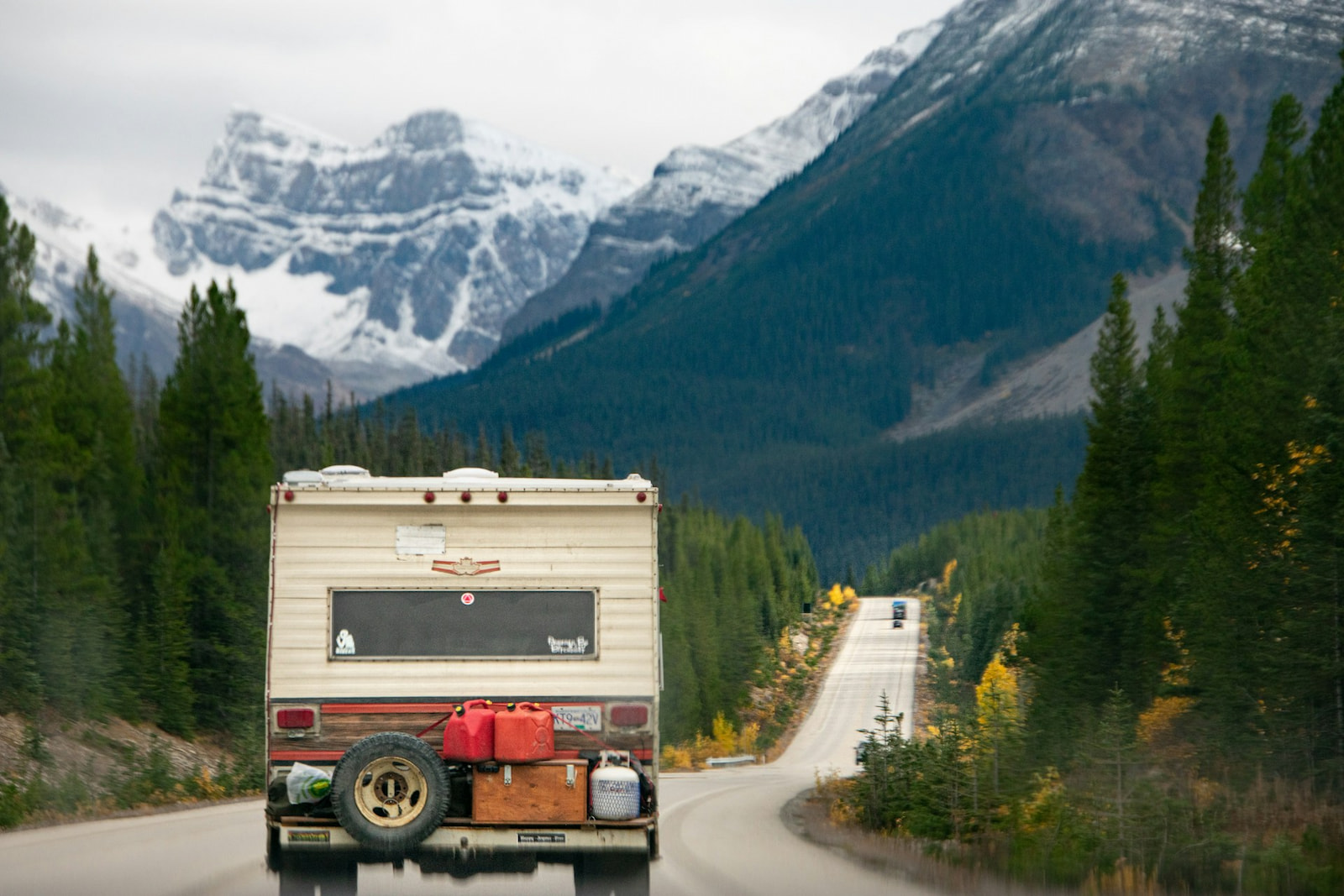 Buying out of province is common — the admin is manageable if you know about it ahead of time
Getting the RV home
Before anything else, sort out how you're getting the vehicle from where it is to where you live. For a motorhome you're driving yourself, you'll need to contact your insurance provider ahead of time to confirm your coverage applies out of province. Most Canadian auto policies include interprovincial coverage, but some require you to notify your insurer before you travel. Don't assume.
If you're buying a trailer or fifth wheel, you need a tow vehicle rated for the weight of what you're buying. This is worth confirming before you make a four-day drive to find out your truck's tow rating isn't quite there.
For anyone in BC buying from out of province, ICBC has a specific process for importing vehicles into BC that includes temporary insurance called a Binder. Read it before you go.
The safety inspection question
This is where most out-of-province buyers get surprised. Several provinces require a safety inspection on any vehicle registered there that was previously registered elsewhere. The rules vary by province and sometimes by vehicle type, so this is worth checking early, not after you've already bought something.
| Province | Out-of-province inspection required? |
|---|---|
| British Columbia | Yes, for most vehicles over 3,500 kg. Must be inspected at a BC designated facility. ICBC details here. |
| Alberta | Yes, an out-of-province inspection certificate is required before registration. Must be done by an Alberta-authorized inspector. |
| Ontario | Yes, a Safety Standards Certificate is required for vehicles registered from another province. Ontario's official requirements here. |
| Manitoba | Yes, a Certificate of Inspection from an approved station is required before registration. |
| Saskatchewan | Generally not required unless the vehicle was previously written off or rebuilt. |
| Quebec | Yes, a safety inspection is required for any vehicle being registered for the first time in Quebec. |
| Atlantic provinces | Requirements vary. Verify with your provincial motor vehicle registry before purchase. |
For a broader summary of how inspection requirements differ across provinces, Western Financial Group has a province-by-province breakdown that's worth reading as a starting point.
These requirements can change and RVs sometimes fall into different categories than standard passenger vehicles. Always verify the current rules with your provincial registry directly before finalizing a purchase. This post is a general guide, not legal or regulatory advice.
Tax — you pay it in your home province
GST applies no matter where in Canada you buy. Provincial sales tax is where it gets more nuanced. In most cases, you pay PST in your home province when you register, not in the province where you bought the vehicle. If you paid PST to the seller's province at the time of purchase, you may be able to apply for a rebate, but the rules on this differ.
The short version: budget for your home province's PST rate when calculating the total cost, and get clarity from your provincial registry on the exact process before you finalize the deal.
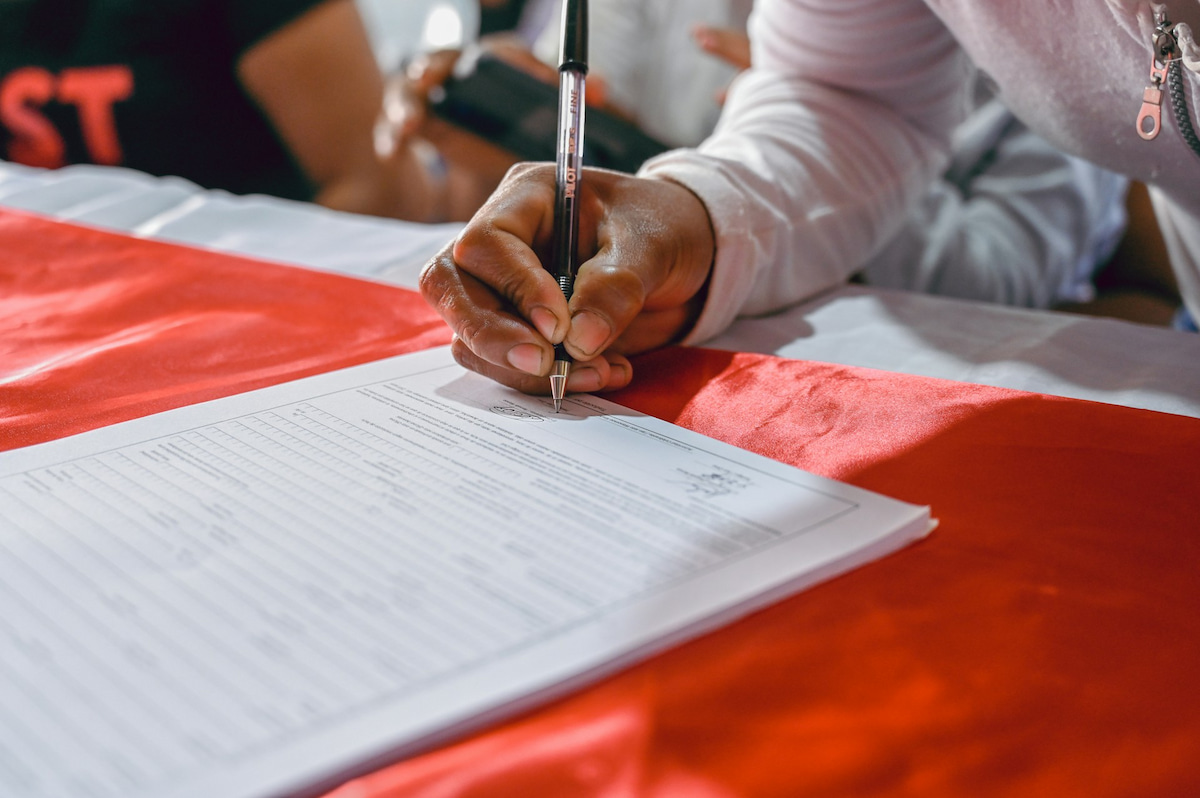 Get the paperwork sorted before you leave the seller's province — much easier than dealing with it later
What paperwork you need from the seller
At minimum you need a signed bill of sale with the seller's name, your name, the vehicle description, VIN, sale price, and date. You also need the existing registration. Some provinces have specific bill of sale forms, so worth checking what your home province requires before the transaction.
If the seller has a lien on the vehicle, that lien needs to be discharged before or at the time of sale. A lien search through your province's registry will tell you if there's money owed against the vehicle. This is worth doing on any private sale over $10,000.
The condition inspection before you commit
This is the part that gets overlooked most often on out-of-province purchases. People do all the right paperwork steps but skip properly vetting the vehicle because they're not local and can't easily go see it.
A remote video inspection addresses exactly this problem. Before you book flights or commit to a long drive, you can get a professional assessment of what the vehicle actually looks like, what condition it's in, and whether the asking price makes sense. It's not the same as being there in person, but it's significantly more than buying based on listing photos and a seller's description.
Get the inspection done before you book any travel. If serious problems come up, you've saved yourself a trip. If everything looks solid, you can proceed with confidence that the drive or flight is worth it.
Buying from out of province?
We'll assess the listing and video before you commit to any travel. Starting at $159 CAD.
View Inspection PackagesOut-of-province purchases are completely normal and often how people end up with the right rig at the right price. The province-specific admin is a small amount of friction that's easy to navigate if you know about it ahead of time. The harder part is buying a vehicle you can't easily view in person, which is the problem RigReport exists to solve.
Ryan Bergeron is a Red Seal certified RV technician and founder of RigReport, Canada's only virtual RV inspection service. RigReport is a service of Fall River RV Repairs LTD.