Pricing is the single biggest reason private RV sales stall. Not condition. Not photos. Not the listing itself. Sellers overprice, the listing sits for months, and the longer it sits the more suspicious buyers get. By the time the price drops to where it should have started, the rig has been online long enough that people wonder what's wrong with it.
I see this from the buyer side constantly. I'll be reviewing a listing for a client, and the first question is always: how long has it been listed? A unit that's been on Marketplace for four months with two price drops tells a story, and buyers can see the listing history.
Here's how to price correctly from the start and not waste months of your time.
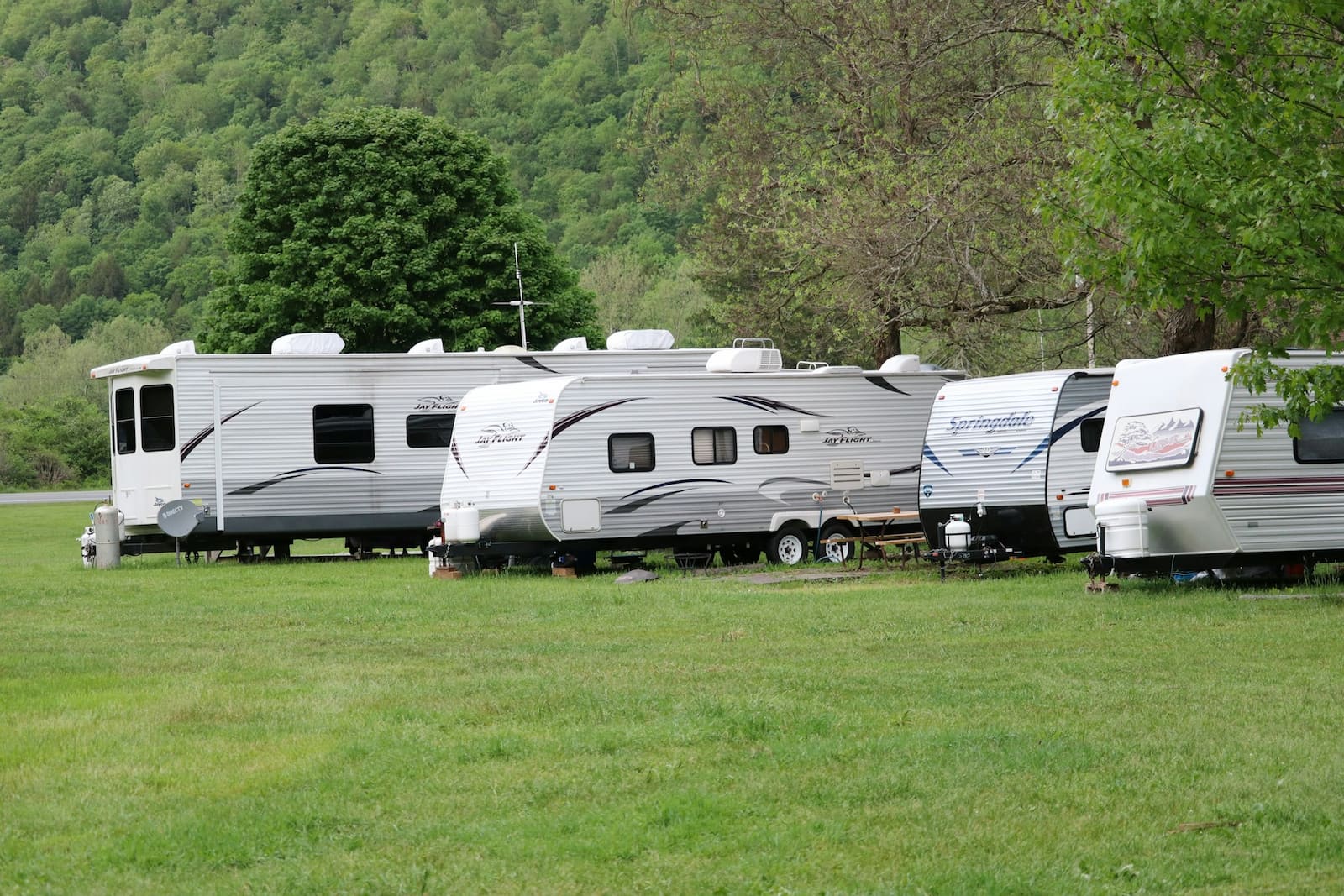 Presentation matters before buyers even contact you — a clean photo draws serious inquiries
Start with actual market data, not what you paid
What you paid for the rig when you bought it is irrelevant to what it's worth today. What you spent on upgrades and maintenance is largely irrelevant too, unless you have documentation and the upgrades are the kind buyers actually want. The market does not care about your investment. It cares about what comparable units are selling for right now.
Start by searching for the same year, make, model, and configuration on Kijiji, Facebook Marketplace, and Autotrader in your region. Look at asking prices, but more importantly look at what seems to be moving versus what's been sitting. RVezy has put together a solid overview of the Canadian RV selling market with guidance on pricing benchmarks that's worth reading alongside your own research.
NADA Guides is the standard reference point for RV valuations in North America. It won't give you a perfect Canadian market price, but it gives you a baseline that buyers and dealers use, and it's worth checking to see where your unit falls relative to its guide value.
Condition affects price more than age
Two identical 2018 fifth wheels can be worth $15,000 apart depending on condition. A rig that's been stored inside, serviced consistently, and shows no water damage will command a significant premium over one that's been parked outside for three winters with deferred maintenance.
Be honest with yourself about where your unit sits on that spectrum. If you're not sure, a pre-listing condition assessment can give you a clear picture of what you're actually working with. It also lets you disclose the condition credibly to buyers, which builds trust and reduces the negotiation friction that comes from buyers discovering issues on their own.
The best time to list an RV in Canada is January through March. Buyers are planning their summer and shopping actively. Inventory is lower than spring. You have more leverage and less competition. Listing in September after camping season ends puts you in the worst possible window.
What actually adds value to a listing
Not everything you've spent money on translates to a higher price in a private sale. Some upgrades buyers will pay a premium for. Most they won't.
Things that genuinely help: recent roof work with receipts, new tires, recent generator service, a functional solar setup, newer appliances with documentation. Buyers who are serious will ask about these things specifically, and having the receipts changes the conversation.
Things that don't move the needle as much as sellers expect: custom interior changes, upgraded bedding or decor, personalized storage solutions, or any modification that limits the vehicle's general appeal. What you love about your setup isn't necessarily what the next buyer is looking for.
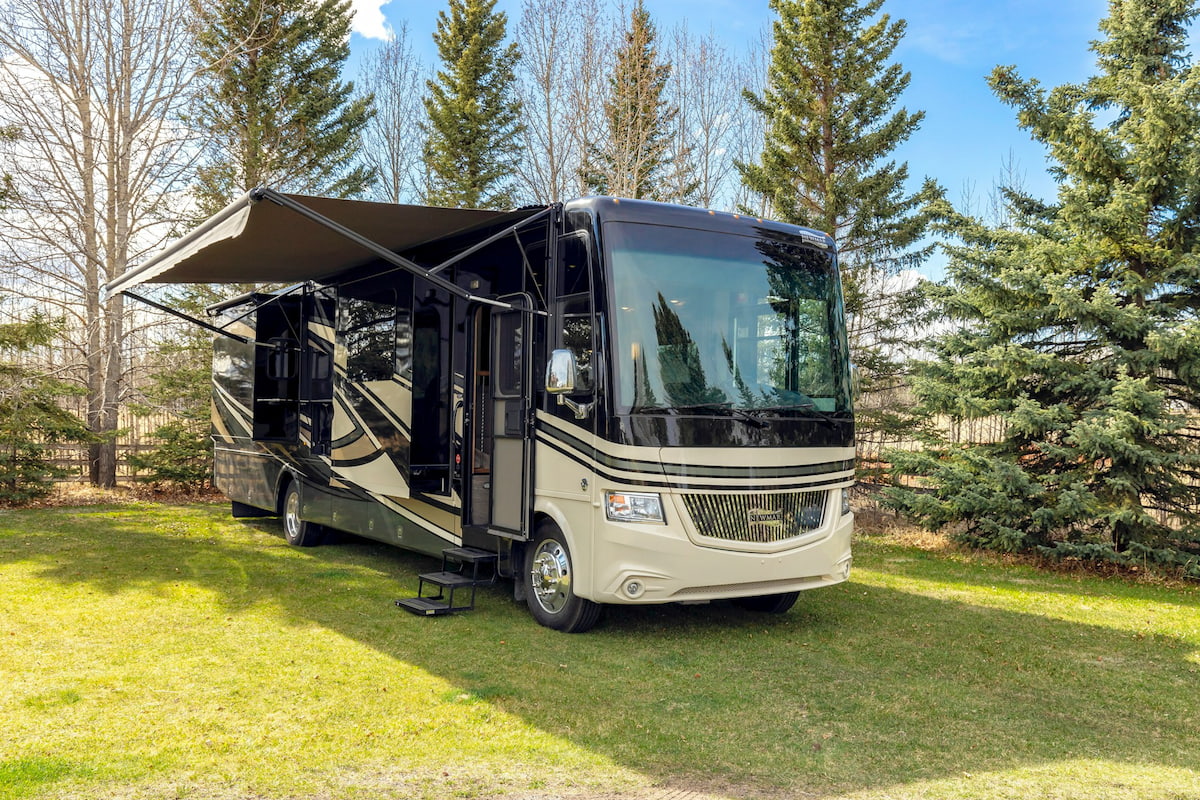 Clean and depersonalized interior photos outperform staged or cluttered ones every time
Photos are where most private sellers lose buyers
Bad photos kill good listings. I've seen well-priced, well-maintained rigs sit for two months because the photos were dark, taken at an angle that made the unit look smaller than it was, or showed clutter everywhere.
Take photos on a sunny day with the rig clean and clear of personal items. Shoot the exterior from all four corners. Shoot every room from the doorway. Shoot the bedroom, bathroom, kitchen, and dinette separately. Show the storage compartments open. Show the hitch if it's a towable. If you have recent service receipts or maintenance photos, include those in your description or have them ready to share.
RVshare has a practical article on how to prepare and photograph your RV for sale that covers this in more detail, including timing advice for when to list.
Where to list in Canada
Facebook Marketplace has the most active buyer traffic for private sales in Canada right now. List there first. Kijiji is worth doing at the same time since it's free and pulls a different audience. Autotrader has better reach for higher-value units but costs money to list with photos.
RVezy has a breakdown of the best free and paid platforms for selling an RV in Canada with honest pros and cons for each. Worth reading before you decide where to put your effort.
Listing significantly above market to "leave room to negotiate" is a strategy that backfires consistently. Serious buyers who know the market skip overpriced listings entirely. The people who do contact you are often low-ball opportunists. You filter out your best buyers and attract your worst ones.
Handling buyers and negotiation
Price it right from the start and you won't need much negotiating room. A well-priced unit in honest condition with good photos will generate serious inquiries quickly. Be upfront about condition in the listing. Disclose known issues. Buyers who find out about problems themselves after expressing interest feel deceived, and that kills deals. Buyers who read about issues in your listing and contact you anyway are motivated and pre-qualified.
For any significant sale, do the transaction at a bank. Bank drafts are safer than cash for both parties. Get a signed bill of sale regardless of how well you know the buyer.
Not sure what your RV is worth or what condition it's in?
A pre-listing RigReport gives you a professional assessment you can share with buyers — and backs up your asking price. Starting at $159 CAD.
View Inspection PackagesSelling privately takes more effort than trading into a dealer, but for most sellers it's worth it financially. Price it accurately, show it honestly, photograph it well, and list it at the right time of year. That's most of the work. The rest is just answering messages from people who are already interested.
Ryan Bergeron is a Red Seal certified RV technician and founder of RigReport, Canada's only virtual RV inspection service. RigReport is a service of Fall River RV Repairs LTD.